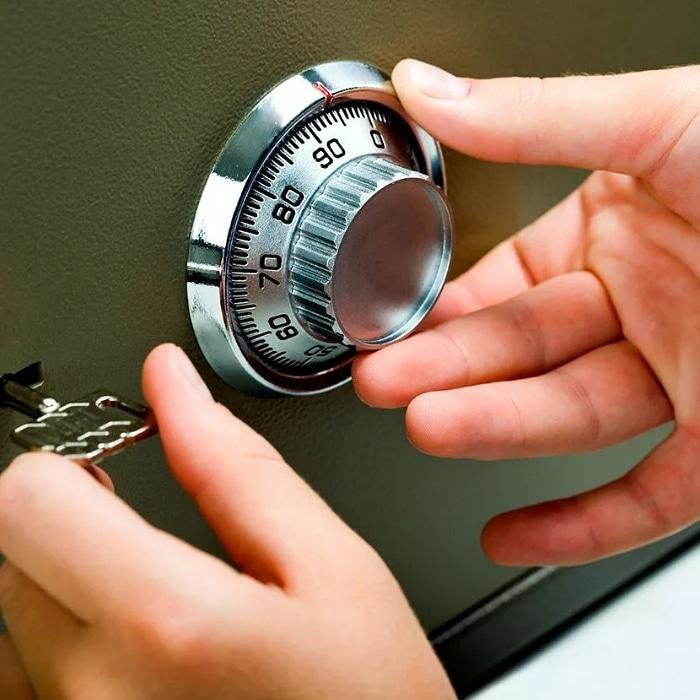
There’s a particular kind of tension in a safe that won’t respond to its own combination. Keymobile Locksmith opens it carefully — decoding and manipulation, not drilling first — so your Eastwood safe stays intact once we’re inside.

There’s a particular kind of tension in a safe that won’t respond to its own combination. Keymobile Locksmith opens it carefully — decoding and manipulation, not drilling first — so your Eastwood safe stays intact once we’re inside.
A safe that won’t open holds more than contents, it holds genuine frustration too. Keymobile Locksmith approaches every Eastwood callout carefully, using decoding methods first so your safe stays intact once access is restored.
Nobody wants to stare at a stuck safe wondering what’s next, so once we’re briefed, the nearest technician sets out to resolve it properly.
We understand safes vary in complexity, so our technicians assess each mechanism confidently and proceed without wasted time.
Nobody opens a safe without confirming ownership first, regardless of how urgent the situation feels in the moment.

Losing track of a combination over time is one of the most common reasons safes stay shut. It happens especially with safes used infrequently, where the code slips from memory gradually. Our technicians attempt manipulation and decoding first, avoiding damage wherever the mechanism allows it. This is especially common with older Eastwood households holding onto rarely accessed family safes. Careful decoding preserves both the safe and its contents wherever possible.
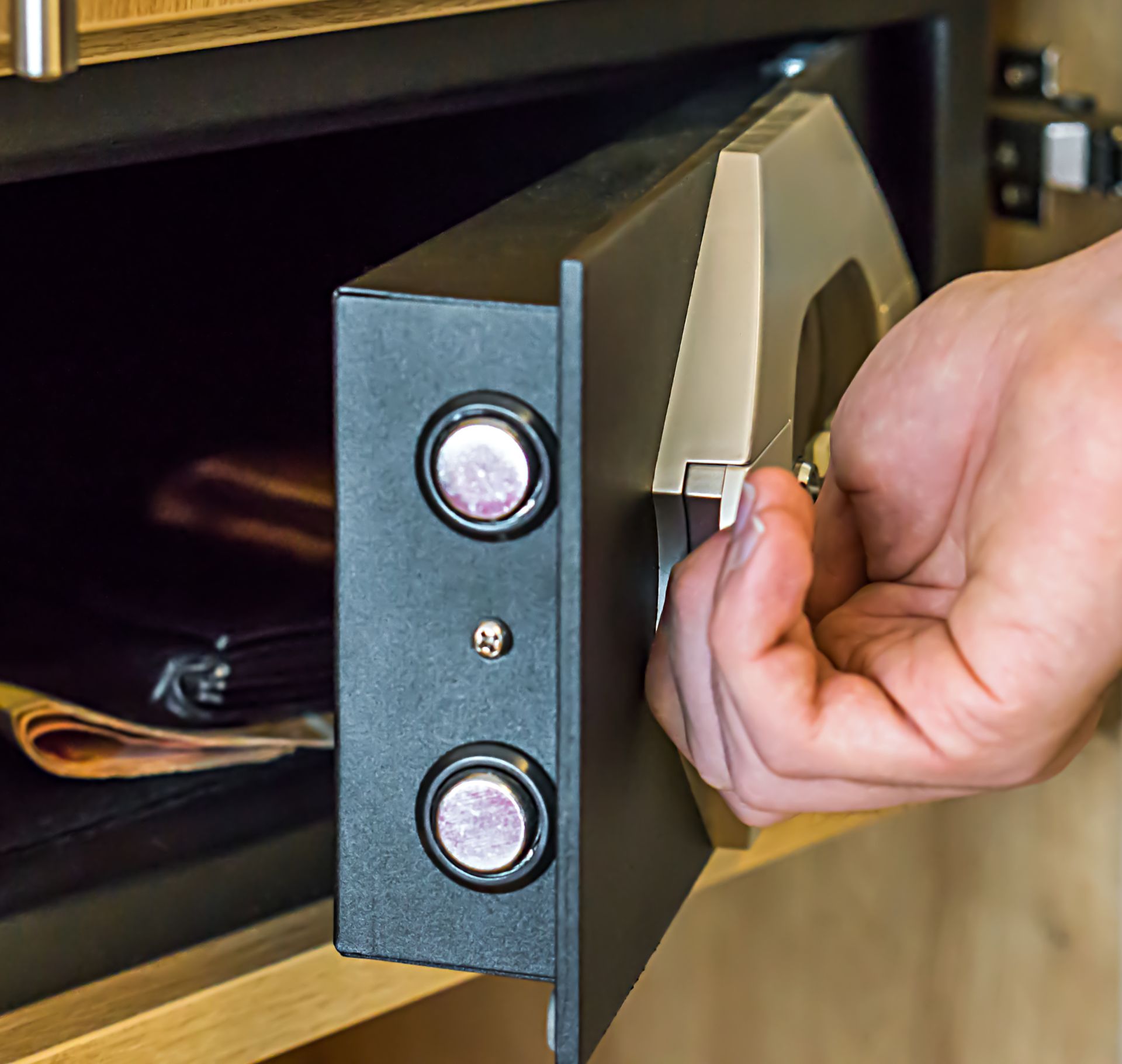
Safes left behind after a family member passes often come with no known combination at all. Executors and family members are left needing access without any documentation to rely on. Our technicians assess the model and attempt non-destructive opening before considering other options. This situation matters most for Eastwood families managing an estate during an already difficult time. Careful handling respects both the safe’s contents and the sensitivity of the situation.

Internal components inside an older safe can fail even when the correct code is entered properly. Worn gears or a jammed bolt work are common culprits behind this frustrating scenario. Our technicians diagnose the fault accurately, determining whether repair or careful opening is the better path. This issue tends to affect safes that have seen years of regular, heavy use. Proper diagnosis avoids unnecessary drilling when a simpler fix might resolve it.
Safes affected by flooding or burst pipes can seize up unexpectedly, trapping contents inside. Rust and swelling are common results of prolonged moisture exposure over time. Our technicians assess water-damaged safes carefully, prioritising content retrieval alongside proper access methods. This matters particularly for Eastwood properties affected by storms or plumbing incidents recently. Prompt attention limits further damage to whatever’s stored inside the safe.
A safe that won’t open, whether due to a forgotten combination, a failed electronic lock, or a genuine mechanical fault, is a uniquely stressful problem — particularly when there are important documents, valuables, or cash inside that you suddenly can’t access. Safe opening is a specialised service, distinct from standard lock work, and it’s one Keymobile Locksmith handles for both residential and commercial clients across Eastwood.
This is one of the most common reasons we’re called out — a combination written down somewhere that’s since been lost, or a code that simply hasn’t been used often enough to be remembered reliably.
Older mechanical safes rely on a dial and internal wheel pack, and over years of use, these components can wear, become misaligned, or stick, making the combination increasingly difficult to dial accurately even when the correct sequence is being entered.
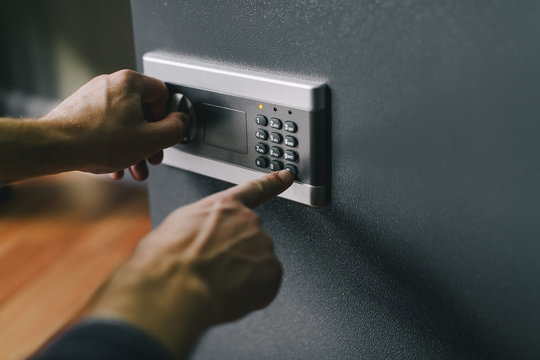
Digital safes are increasingly common in both homes and small businesses across Eastwood, and their most frequent issues involve battery failure, keypad wear, or an internal circuit fault that stops the lock responding even to a correctly entered code.
Some safes use a physical key in combination with a dial or keypad, and these can suffer from the same wear issues as standard door locks — a worn key, a stiff mechanism, or a lock that’s simply reached the end of its working life.
Safes are, by design, used far less frequently than a front door lock, which sounds like it should mean less wear — but infrequent use actually creates its own problems. Mechanisms that sit unused for long stretches can seize, batteries in electronic models drain without anyone noticing until the moment access is actually needed, and dial-based combination locks can drift out of precise alignment without any obvious external sign of a problem.
For mechanical combination locks, an experienced locksmith can often manipulate the dial to feel out the correct combination without needing to drill, preserving the safe’s mechanism entirely. This requires genuine skill and experience specific to safe work, distinct from standard residential lock picking.
Some electronic safes allow diagnostic access through a service port or backup mechanism designed by the manufacturer for exactly this situation, offering a non-destructive path back into the safe when the primary code isn’t working.
When manipulation and diagnostic methods aren’t viable, controlled opening — including precise, minimally invasive drilling — becomes the fallback option. A skilled technician drills as precisely as possible, targeting only what’s necessary to access the locking mechanism, minimising damage to the safe body itself.
Small businesses and offices around the Rowe Street precinct that rely on a safe for daily cash handling or document storage face a particular urgency when a safe won’t open — an inaccessible safe can disrupt daily operations in a way a residential owner rarely experiences. Prioritising a prompt, skilled response matters as much for operational continuity as for simple peace of mind.
A safe that won’t open is a specialised problem that deserves a specialised approach, not a generic locksmith callout. Whether it’s a mechanical dial that’s drifted out of alignment, an electronic keypad with a flat battery, or a genuinely forgotten combination with valuables inside, a locksmith experienced specifically in safe work can usually resolve the issue while preserving the safe’s mechanism, rather than resorting to drilling as a first option.
Same-Day Appointments Available
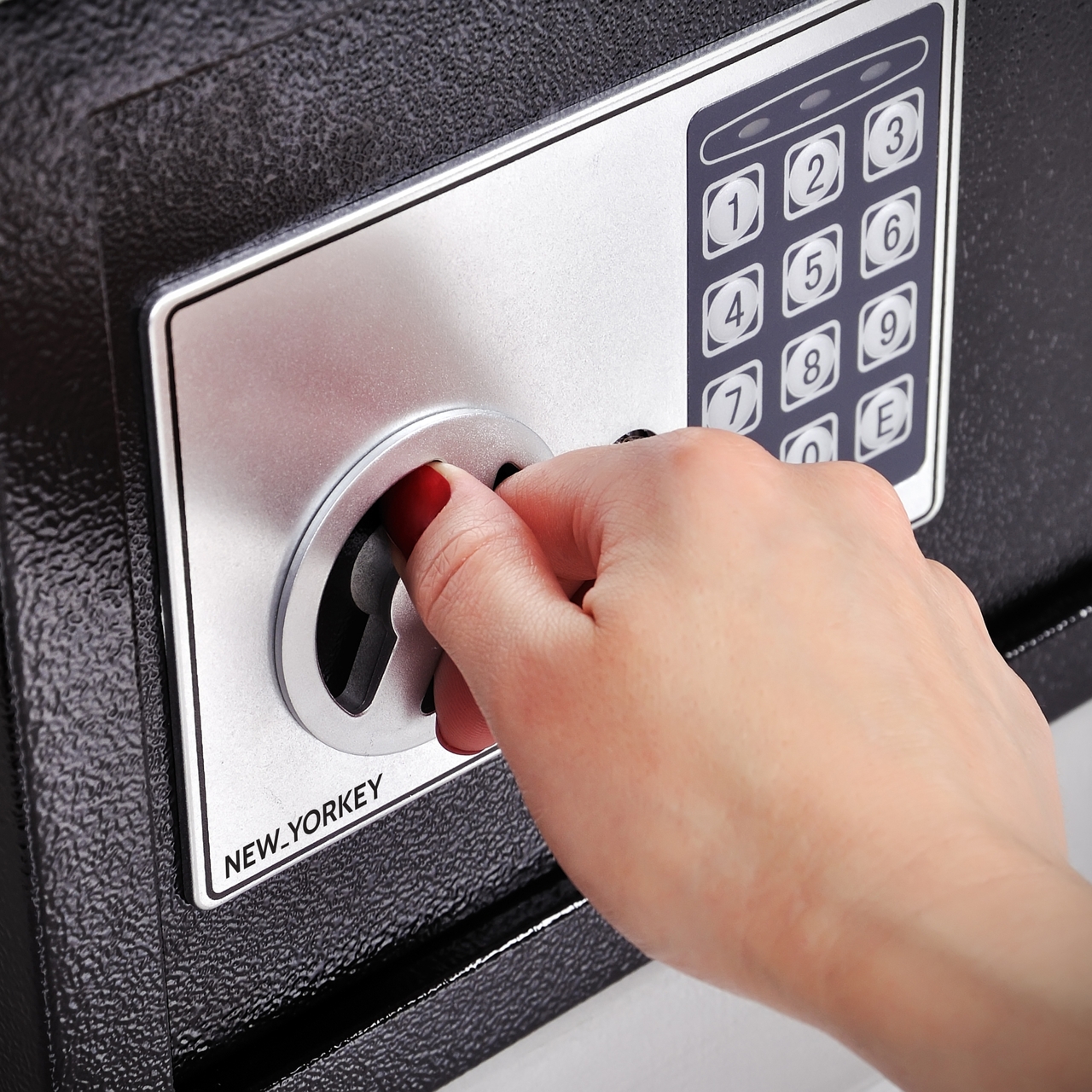
Yes, manipulation and decoding techniques are attempted first, often avoiding the need for drilling.
Non-destructive methods are used wherever possible, with drilling considered only as a last resort.
The model is assessed and non-destructive opening is attempted before any other option is considered.
Yes, water-affected safes are assessed carefully, prioritising content retrieval alongside safe access.
Proof of property ownership or residency is required before any safe is opened.